Kyoto’s Whispering Alleys: The Living Ritual of Slow Living
Navigating the quiet backstreets of Higashiyama, where wooden lattice screens preserve centuries of meditative artisan culture.
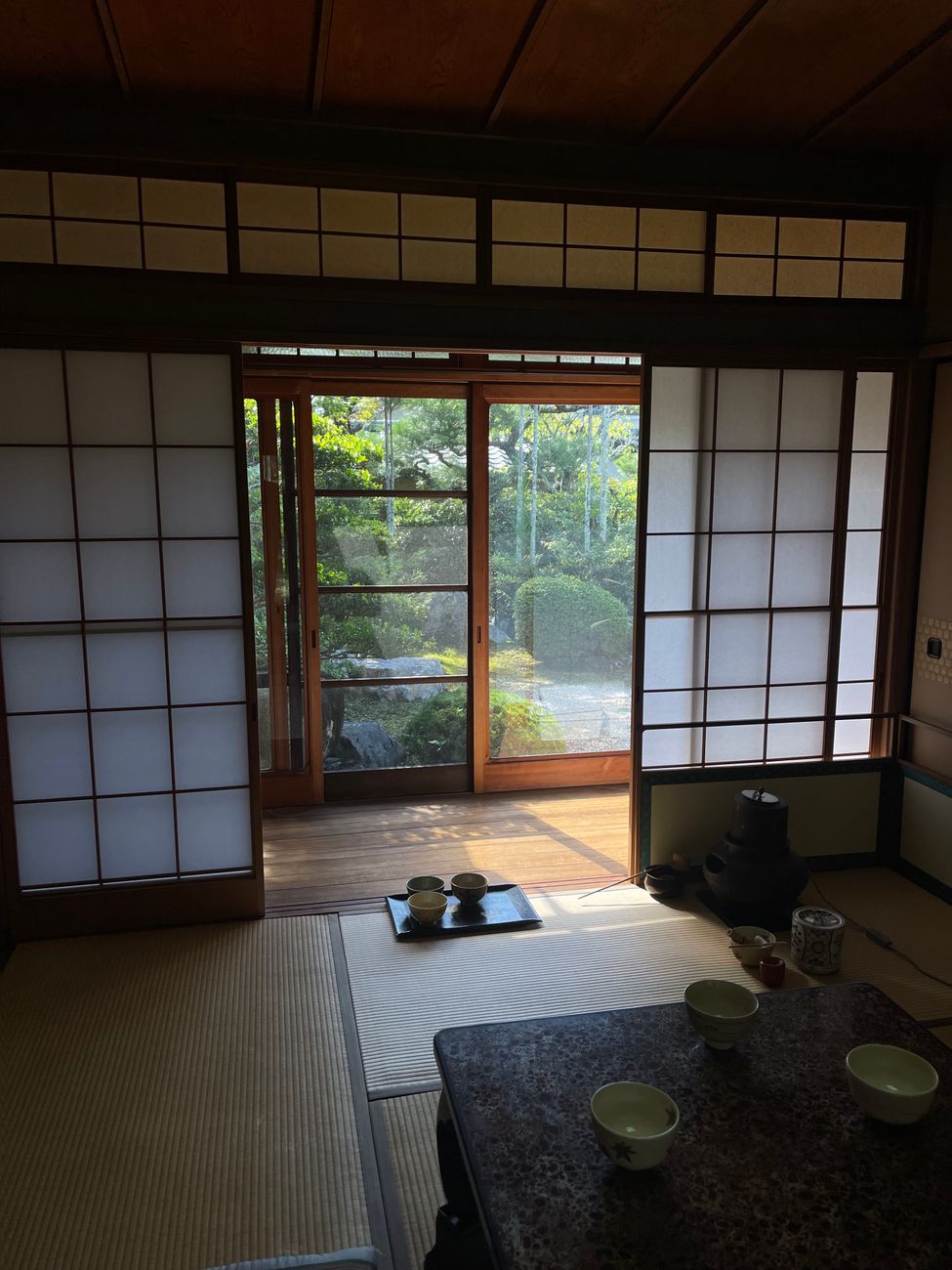
Step beyond the bustling avenues of Shijo-dori before sunrise, and Kyoto reveals its true nature: an interlocking tapestry of whispered cedar, wet river stones, and the faint scent of roasting hojicha.
The Grammar of Machiya Architecture
The traditional merchant townhouse, or machiya, is an architectural marvel of restraint. Narrow street facades open into deep interiors featuring tsuboniwa—courtyard gardens smaller than a tatami mat yet containing moss, a stone lantern, and dwarf maples arranged to reflect cosmic harmony.
In these spaces, shadows are not the absence of light but a deliberate aesthetic medium, famously articulated by Jun’ichiro Tanizaki. Light enters filtered through shoji paper, softening edges and instilling a restful equilibrium in travelers weary of artificial glare.
Mindful Etiquette & Quiet Places
- • Early Hours: Visit the sub-temples of Daitoku-ji before 9:00 AM for undisturbed raked gravel gardens.
- • Artisan Studios: Arrange visits in advance with lacquer masters in northern Kamigyo.
- • Culinary Notes: Experience shojin ryori (Zen vegetarian monastic cuisine) at Tenryu-ji.
The Living Cadence of the Tea Ceremony
Observing a tea master in a modest four-and-a-half mat room provides an enduring lesson in presence. Every movement—the folding of the silk fukusa, the whisking of powdered gyokuro tea, the quiet placement of the bamboo ladle—is performed with total intentionality.
By immersing ourselves in these deliberate rhythms, we learn to shed the urge for hasty travel, realizing that depth of perception far exceeds geographical distance.
Next Dispatch in the Series
Journey to the southernmost reaches of the Americas.
Read: Into the End of the Earth →