The Alpine Stillness: Architecture and Silence in the Dolomites
How modern timber craftsmanship and strict environmental quotas are revitalizing the traditional high-altitude rifugi of South Tyrol.
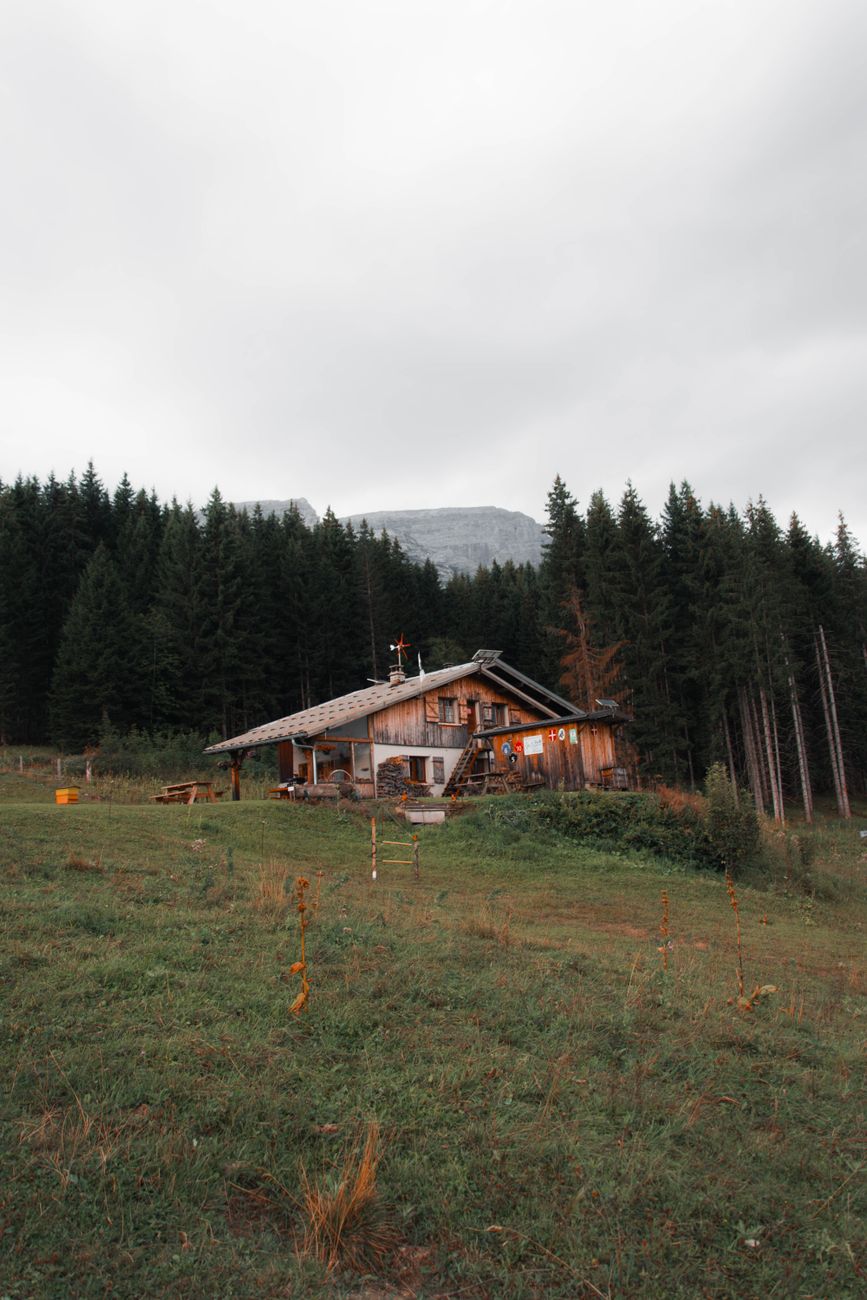
To ascend the Val di Funes in late October is to experience the dramatic cessation of human velocity. The summer crowds have departed, leaving only the sound of meltwater carving fissures through ancient limestone.
The Philosophy of Reduced Footprint
For generations, the high alpine pastures were occupied strictly by seasonal transhumance shepherds. Their shelters were constructed solely of local larch timber and granite stones unearthed during pasture clearing. Today, a new generation of architects in Bolzano and Cortina is reviving this strict vernacular restraint.
Rather than superimposing urban luxury onto alpine peaks, contemporary refuges embrace compact geometries, passive thermal mass, and floor-to-ceiling unadorned triple glazing. The result is an experience where warmth is tactile and the majesty of the limestone amphitheater remains the singular protagonist.
Field Notes for the Mindful Traveler
- • Best Timing: Late September through late October offers stable inversion weather and golden larch foliage.
- • Ascent: Favor the southern trail from San Pietro to avoid funicular crowds.
- • Sustenance: Seek out mountain hutte serving buckwheat polenta and alpine mountain-pine distillates.
Acoustic Stillness Above 2,000 Meters
In high elevations, the acoustic profile changes dramatically. Sound travels with distinct clarity across cold air pockets before being absorbed by scree slopes. This sensory clarity invites a slower psychological rhythm—one that encourages reflection, contemplation, and respectful detachment from constant connectivity.
As travel continues to evolve into a quest for interior tranquility rather than trophy collecting, these quiet alpine outposts remind us that the greatest luxury is an uninterrupted horizon and clear mountain silence.
Next Dispatch in the Series
Continue exploring mindful destinations across our global archives.
Read: Kyoto’s Whispering Alleys →